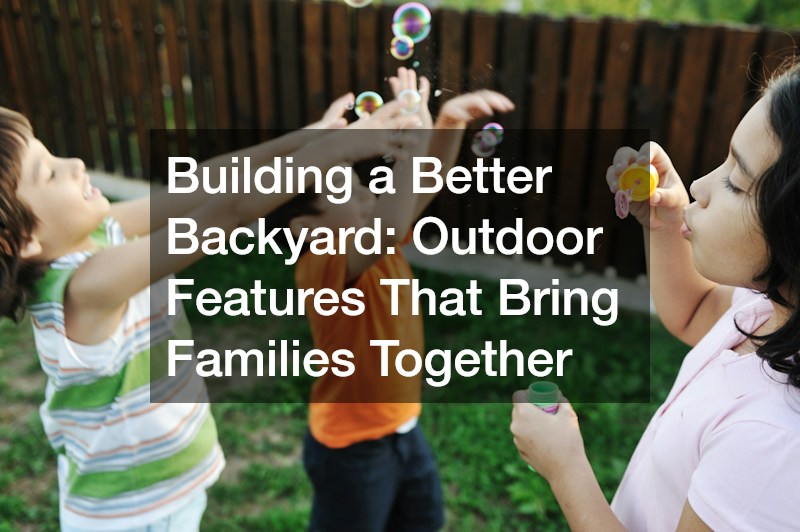
A backyard can be much more than a patch of grass behind the house. It can become the place where children invent games, relatives linger after dinner, and neighbors gather for a weekend celebration. Creating that kind of space doesn’t require filling every corner with a feature. It requires understanding how your family spends time together and choosing improvements that make those moments easier and more enjoyable.
Comfortable seating, safe walking routes, useful storage, and areas that can change as children grow help turn occasional outdoor visits into everyday habits.
Whether your yard is compact or expansive, think of the project as a collection of connected spaces rather than a checklist of additions. The following ideas can help you create an outdoor setting where family members have room to gather, play, relax, and make memories together. Think about the times your family already enjoys outdoors, as well as the occasions you wish happened more often. A yard designed around familiar pleasures is easier to use than one built around a picture that doesn’t reflect your household.
Plan Around Your Family’s Everyday Routines
Before choosing materials or calling contractors, picture an ordinary afternoon outside. Does someone want a quiet corner for reading while others play catch? Will grandparents need a level route from the back door to the main seating area? Do you enjoy cooking outdoors, or would a simple dining table serve your family better? These questions reveal which improvements are genuinely useful and which may take up space without improving daily life.
Start by observing how the yard behaves throughout the day. Notice how people move between the kitchen, lawn, garage, and existing patio. A basic sketch can help you test several layouts before committing to construction.
If the project involves changing doors, extending a room, or coordinating indoor and outdoor finishes, a home remodeling company can help evaluate how the backyard connects with the house. This early planning reduces the likelihood of building a beautiful feature that blocks access or complicates a later improvement.
Keep some open space in the design. A flexible lawn or paved area can host a birthday party one weekend and accommodate a different family activity the next. Build around real routines, then leave room for those routines to evolve. Plan for spontaneous activities, too.
Build a Deck for Shared Moments
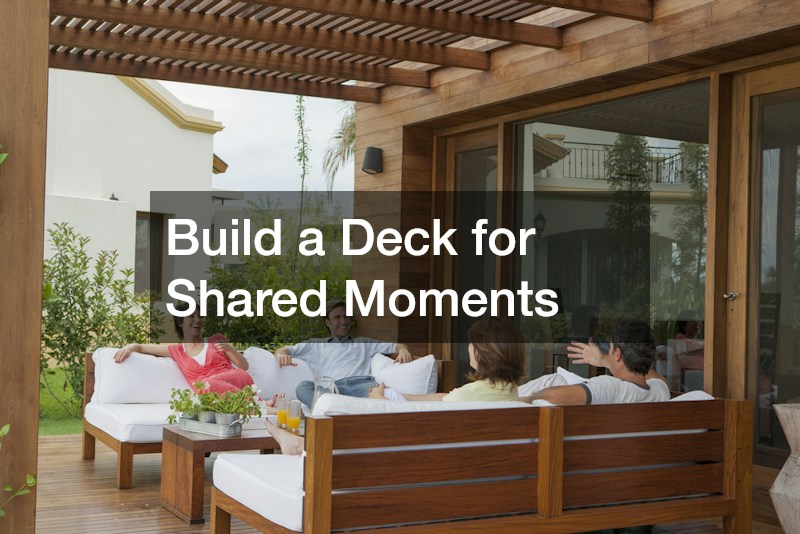
A deck creates a natural transition between the house and the yard. It can hold an outdoor dining table, provide a comfortable place to watch children play, or offer a spot for a peaceful morning coffee. A modest deck with clear circulation may be more useful than a sprawling platform crowded with furniture.
Think about the activities that will happen there before deciding on dimensions. Allow enough room to pull out chairs, carry serving dishes, and walk around seated guests without stepping into planting beds. If your family enjoys several activities at once, consider arranging furniture into distinct dining and conversation areas.
Custom deck designers can translate these preferences into a plan that accounts for elevation changes, stairs, railings, and the relationship between the deck and nearby features. Discuss material maintenance, surface comfort in direct sunlight, and how rainwater will move away from the home.
Safety details deserve equal attention. Stairs need consistent dimensions, railings must meet applicable requirements, and the walking surface should be suitable for the people using it. Leave a clear route from the deck to the rest of the backyard so guests can move between activities without cutting through crowded seating. A well-planned deck invites everyone outside because it makes gathering feel effortless.
Add a Porch That Extends Living Space
A porch offers a different kind of family gathering place. Where an open deck may encourage sunny afternoon meals, a covered porch can offer shelter from light rain and relief from direct sun. It also creates a comfortable setting for slower moments: talking after dinner, doing a puzzle, or listening to a summer shower.
Consider whether an open, screened, or partially enclosed porch would fit your needs. Screens can make evenings more comfortable in areas with seasonal insects, while an open design preserves breezes and a stronger connection to the surrounding yard.
When researching localporch builders, review each business’s actual porch construction experience. Ask whether they handle foundations, roofing connections, electrical coordination, and any required approvals, or whether separate specialists will be involved. A porch attached to a house must be planned carefully to manage water and protect the existing structure, so coordination matters as much as appearance.
Treat the porch as part of the backyard rather than an isolated addition. A path to the garden, a view toward the play area, or steps that lead naturally to a lawn can help family members stay connected while enjoying different activities.

Prepare the Ground for Lasting Improvements
Many backyard transformations begin below the surface. A patio may need a stable base, a garden may need suitable soil, and a low area may need drainage improvements before it can support regular use. Skipping this preparation can lead to standing water, uneven surfaces, or plants that struggle despite careful maintenance.
Map where water collects after a storm and note whether runoff moves toward the house or neighboring properties. A qualified professional can assess grading and drainage when problems are persistent or when major excavation is planned. Plan drainage alongside pathways, planting beds, and any new structures.
Different projects call for different materials. A local sand supplier may provide material appropriate for a specified base or other construction application, but the correct type and depth depend on the installation design. Similarly, a local top soil delivery service can help supply soil for lawn establishment or planting areas, although the soil should suit the intended plants and site conditions. Ask about material specifications, delivery access, and where bulk loads can be placed without blocking the driveway or damaging existing landscaping.
Sequence deliveries and excavation carefully. Heavy equipment may need access before a fence, deck, or delicate garden is installed. When the groundwork is handled in the right order, later improvements can fit together without repeatedly tearing up finished portions of the yard.
Shape Landscaping for Play and Rest
Landscaping gives the backyard its personality and helps separate activities without building walls everywhere. A sturdy lawn can provide room for games, while planting beds soften hard edges and make seating areas feel more inviting. Trees and shrubs may add privacy or shade as they mature.
Choose plants with the site’s sunlight, soil, and climate in mind. Place taller varieties where their mature size won’t crowd walkways or obscure important sightlines to children’s play areas. If family members enjoy gardening, reserve an accessible bed where they can grow herbs, vegetables, or flowers together.
Local landscaping services can help with site preparation, planting plans, lawn establishment, and ongoing care. Explain how your family uses the yard and discuss practical requirements such as irrigation, seasonal cleanup, and pet activity. Ask about the mature dimensions of suggested plants rather than judging a design only by how small plants look on installation day.
Include places where people can pause. A bench beneath a suitable shade tree, a small paved nook, or a quiet corner near a flower bed gives family members options beyond the main entertaining area. If the landscaping looks attractive but leaves nowhere comfortable to sit or move, it won’t support as many shared experiences. Design the greenery around the people who will enjoy it.
Create a Pool Area for Family Recreation
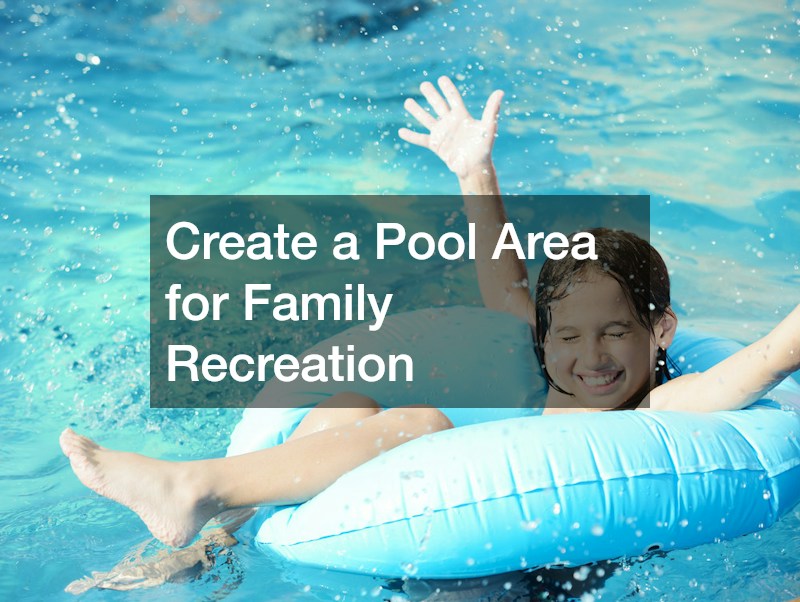
A swimming pool can become a centerpiece for family recreation, but it also changes the backyard’s circulation, maintenance, and safety needs. Before choosing a shape or finish, consider how much room should remain for other activities. A pool surrounded by usable deck space and connected to a shaded seating area may serve the household better than a larger pool that consumes nearly the entire yard.
Speak with swimming pool contractors about site access, utilities, drainage, construction sequencing, and local approvals. Ask what is included in their proposals, how they manage changes during excavation, and which responsibilities remain with the homeowner. If you’re considering inground pool installation, discuss how the pool will relate to existing structures, landscaping, and future features.
Plan for supervision and physical barriers from the beginning. Local requirements for pool fencing, gates, and alarms vary, and a qualified installer can explain which standards apply to your property. Keep sightlines from common seating areas in mind, but don’t treat visibility as a substitute for active adult supervision or appropriate barriers. Provide a clear, slip-resistant route to the pool area and a designated place for towels and equipment so belongings don’t clutter walkways.
Seating outside the splash zone allows relatives and friends to enjoy the atmosphere while staying dry.
Use Fencing to Define Comfortable Spaces
A fence can provide privacy, clarify property boundaries, and help organize different areas of the backyard. It may screen a dining space from a busy street or define a secure area for pets, depending on the design and applicable rules. A tall, solid barrier can create seclusion, but it may also block a pleasant view or cast shade where you’d rather have sunlight.
Begin with the reason you need the fence. Privacy for a seating area, enclosure around a pool, and containment for an active dog can involve different materials, heights, and gate arrangements. Review property lines, easements, neighborhood restrictions, and local requirements before choosing a layout. If a survey is needed to establish a boundary, arrange that work before installation rather than relying on the position of an old fence.
When comparing local fence companies, ask about material durability, maintenance expectations, gate hardware, and how posts will be installed for the site conditions. Explain any plans for a pool, new planting, or equipment access so the fence doesn’t create obstacles later. Gates should be placed where people naturally enter and leave; an inconvenient gate can turn a short walk into a daily frustration.
Consider a mix of screening approaches where appropriate. A fence may define the perimeter while shrubs create softer separation around a conversation area. Thoughtful boundaries can make the backyard feel more comfortable without disconnecting it from the surrounding landscape or limiting how your family uses the space.
Bring the Backyard Together With Lighting
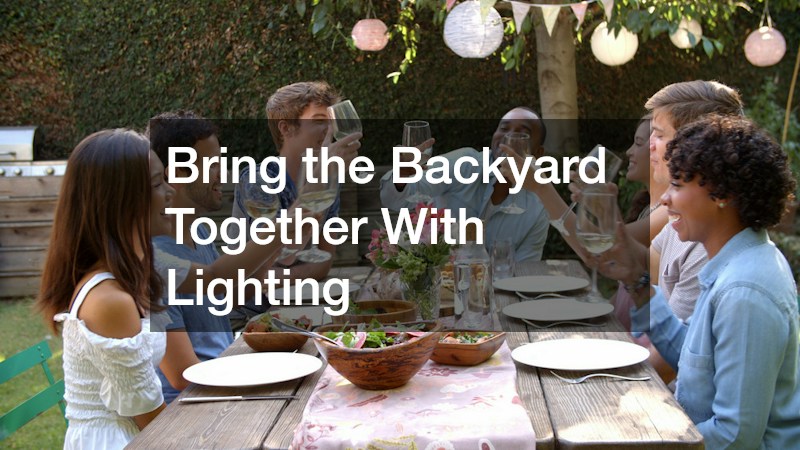
Outdoor lighting helps a backyard stay useful after sunset and can connect features that feel separate during the day. A softly lit dining table, visible steps, and gentle illumination along a path make it easier for family members to move between gathering areas. Good lighting means placing light where people need it while keeping the rest of the space comfortable.
Start with the routes everyone uses most often, including stairs, gates, and the path from the house to the main seating area. Then consider task lighting for cooking or dining and softer lighting near planting beds or architectural features. A layered lighting design can provide different levels of illumination for a family dinner, a quiet evening, or a larger gathering without relying on one harsh fixture.
Choose fixtures rated for their intended outdoor locations and coordinate electrical work with a qualified professional. Discuss controls that let you adjust zones independently, as well as ways to direct light downward and limit glare into windows or neighboring yards. If you’re building a deck, porch, or pool, plan wiring and fixture locations before finishing those surfaces. Retrofitting lighting later can require opening areas you have just completed.
Finally, look at the yard from inside the house after dark. Can you see the steps clearly? Does the seating area feel welcoming? Are entrances visible without flooding the lawn with light? When each feature is connected by practical, comfortable lighting, the backyard feels like an extension of family life rather than a collection of improvements used only on special occasions.
You don’t need to complete every improvement at once. Begin with the features that solve problems, then add others as your family’s needs change. The strongest backyard plans allow individual spaces to work independently while making it simple for everyone to come together whenever the moment feels right.