Key Takeaways
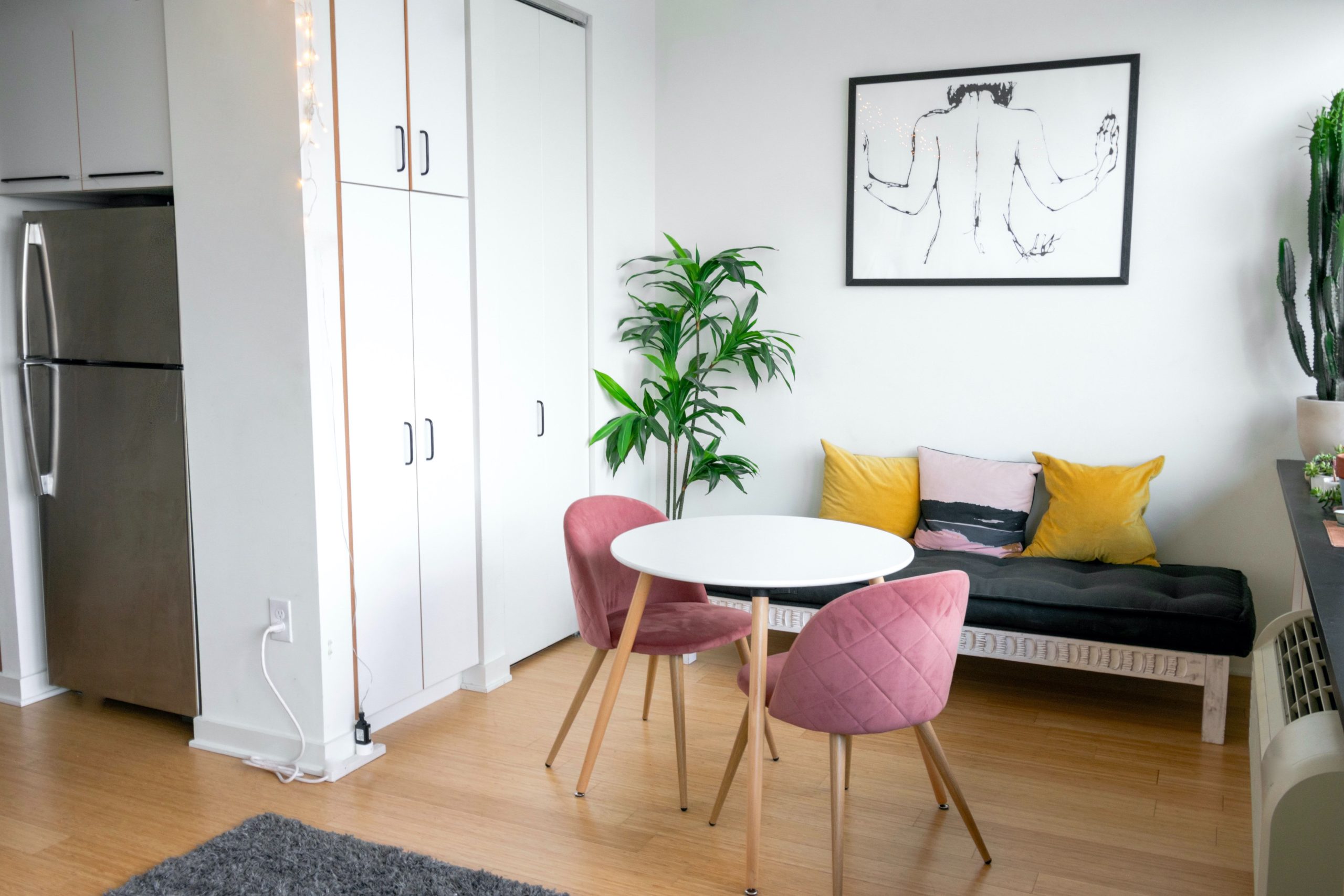
- Defining the room’s primary purpose helps guide furniture, storage, and décor choices while preventing unnecessary clutter.
- Light color palettes and consistent design elements can make small rooms feel brighter, larger, and more open.
- Choosing furniture that fits the scale of the room improves comfort, functionality, and overall visual balance.
- Making use of vertical space with shelves and wall-mounted storage helps maximize organization without sacrificing floor area.
- Natural light, mirrors, and thoughtful lighting choices can significantly enhance the perception of space.
- Smart storage solutions help reduce visible clutter and maintain a clean, organized appearance.
- Careful furniture placement and a well-planned layout improve traffic flow and make small rooms feel more comfortable.
Small rooms can be challenging to decorate. Whether it’s a bedroom, home office, living room, or guest room, limited square footage often makes homeowners worry that the space will feel cramped or cluttered. However, a small room does not have to feel crowded. In fact, many well-designed small spaces feel more comfortable, organized, and inviting than larger rooms that lack a clear design plan.
The secret to decorating a small room successfully is not necessarily having fewer items. Instead, it involves making thoughtful design choices that maximize functionality while maintaining a sense of openness. Color selection, furniture placement, storage solutions, lighting, and décor all work together to influence how spacious a room feels.
By focusing on smart design principles and avoiding common decorating mistakes, homeowners can transform even the smallest room into an attractive and functional space. The following ideas can help create a room that feels larger, brighter, and more comfortable without sacrificing style.
Start With a Clear Purpose for the Room
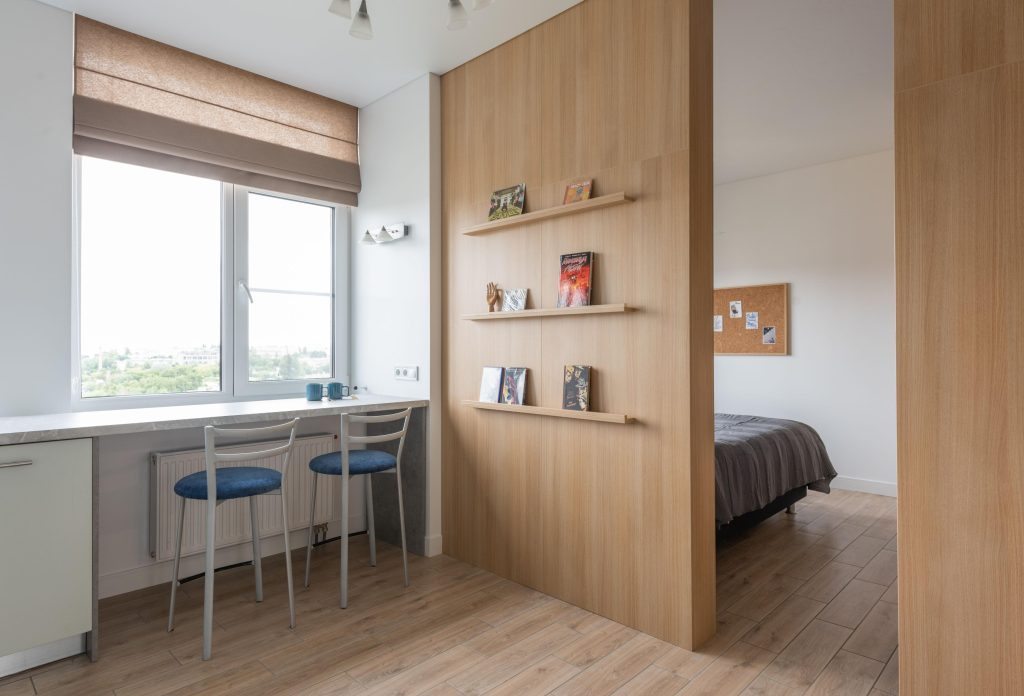
Before selecting furniture or decorating accessories, it is important to define how the room will be used. Many small spaces become crowded because they are expected to serve too many functions at once. Identifying the room’s primary purpose helps guide every design decision that follows.
A small bedroom should prioritize rest and relaxation, while a home office should focus on productivity and organization. If a room must serve multiple purposes, choose furniture and storage solutions that support those functions without overwhelming the space.
Understanding the room’s purpose also helps eliminate unnecessary items. Every piece of furniture and décor should contribute either to functionality or visual appeal. When every item has a reason for being there, the room feels more intentional and organized.
A focused design plan prevents clutter from accumulating and helps create a balanced environment that supports everyday activities.
Key considerations before decorating:
- Determine the room’s primary purpose
- Identify essential furniture pieces
- Eliminate unnecessary items
- Consider storage needs
- Create a design plan before purchasing décor
Choose Light Colors to Create Openness
Color has a powerful influence on how large or small a room feels. Light colors tend to reflect natural and artificial light, making spaces appear more open and airy. Dark colors can create a cozy atmosphere, but they may also make small rooms feel more enclosed if not used carefully.
Neutral shades such as white, cream, light gray, and soft beige remain popular choices for small spaces because they create a bright foundation. These colors allow furniture and decorative elements to stand out without overwhelming the room.
That does not mean bold colors should be avoided entirely. Accent walls, colorful artwork, and decorative accessories can add personality without making the room feel smaller. The goal is to maintain balance while creating visual interest.
A consistent color palette also helps unify the space and reduce visual clutter.
Color choices that help rooms feel larger:
- Warm white
- Light gray
- Soft beige
- Pale blue
- Sage green
- Greige
Select Furniture That Fits the Space
One of the most common mistakes in small-room design is choosing furniture that is too large. Oversized sofas, bulky dressers, and massive desks can quickly dominate a room and leave little space for movement.
Instead of focusing solely on appearance, consider scale and proportion. Furniture should fit comfortably within the room while leaving adequate walking paths and open space. Compact furniture often works better in smaller rooms because it provides functionality without creating a crowded environment.
Multifunctional furniture can be especially valuable. Storage ottomans, sleeper sofas, nesting tables, and beds with built-in storage help maximize utility while minimizing the number of pieces needed.
Carefully selected furniture can make a room feel larger and more efficient.
Furniture strategies for small rooms:
- Choose appropriately scaled pieces
- Leave clear walking paths
- Use multifunctional furniture
- Avoid oversized items
- Prioritize quality over quantity
Maximize Vertical Space
When floor space is limited, walls become one of the most valuable design resources. Vertical storage helps keep belongings organized without consuming precious square footage.
Bookshelves, floating shelves, wall-mounted cabinets, and hanging organizers can provide significant storage while maintaining an open floor plan. Tall furniture also draws the eye upward, creating the illusion of higher ceilings.
Vertical design elements help make a room feel larger because they encourage visual movement throughout the space. Rather than focusing attention on limited floor space, they emphasize the room’s full height.
Using walls effectively can dramatically improve both storage capacity and overall design.
Ways to use vertical space effectively:
- Install floating shelves
- Use tall bookcases
- Add wall-mounted storage
- Hang artwork higher
- Utilize vertical organizers
Let Natural Light Work for You
Natural light is one of the most effective tools for making a room feel larger. Bright spaces often appear more open and welcoming than darker rooms.
Avoid blocking windows with oversized furniture or heavy window treatments. Lightweight curtains and blinds allow sunlight to enter while still providing privacy. If privacy is not a concern, consider keeping window coverings minimal.
Mirrors can also enhance natural light by reflecting it throughout the room. A strategically placed mirror opposite a window can make a dramatic difference in how spacious the room feels.
Maximizing available light helps create an airy atmosphere that prevents small rooms from feeling confined.
Natural light improvements include:
- Use lightweight curtains
- Keep windows unobstructed
- Add mirrors near windows
- Clean windows regularly
- Choose reflective finishes
Keep Décor Simple and Intentional
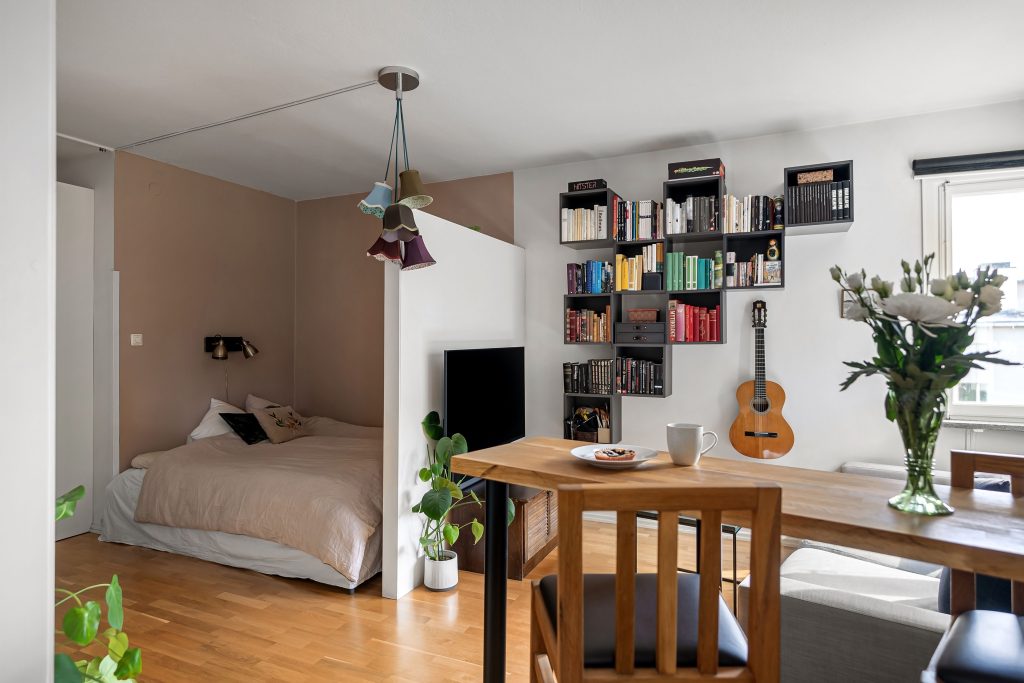
Decorating a small room does not mean avoiding accessories entirely. Instead, it means choosing decorative elements carefully and intentionally.
Too many small decorations can create visual clutter. A few larger statement pieces often create a stronger impact while maintaining a cleaner appearance. Artwork, mirrors, plants, and decorative lighting can add personality without overwhelming the room.
Grouping accessories together can also help create a more organized appearance. Rather than scattering décor throughout the room, create designated focal points that draw attention while preserving visual balance.
A thoughtful approach to decorating helps maintain an open and comfortable atmosphere.
Decorating tips for small spaces:
- Use fewer but larger décor items
- Create focal points
- Avoid overcrowding surfaces
- Coordinate colors and materials
- Display meaningful accessories
Incorporate Smart Storage Solutions
Storage is essential for keeping small rooms organized. Without adequate storage, everyday items quickly create clutter that makes the room feel crowded.
Look for opportunities to add hidden storage whenever possible. Beds with drawers, storage benches, ottomans, and furniture with built-in compartments help keep belongings out of sight while maintaining functionality.
Open shelving can also be useful when carefully styled. Limiting visible items and using decorative baskets helps maintain a neat appearance while providing accessible storage.
The less clutter visible in a room, the larger and more inviting it tends to feel.
Effective storage solutions include:
- Storage beds
- Storage benches
- Decorative baskets
- Built-in shelving
- Multifunctional furniture
Create Better Flow Through Thoughtful Layouts
Furniture placement can significantly affect how spacious a room feels. Even a beautifully decorated room may feel cramped if the layout restricts movement.
Arrange furniture to create clear pathways throughout the space. Avoid blocking entrances, windows, or major traffic routes. Leaving some open floor area visible can make the room appear larger than it actually is.
Floating furniture away from walls may sometimes improve flow, depending on the room’s size and shape. Experimenting with different layouts can reveal opportunities to improve functionality and openness.
Good design is often less about how much furniture is present and more about how it is arranged.
Layout principles to remember:
- Maintain clear walking paths
- Avoid blocking windows
- Keep entrances accessible
- Leave open floor space visible
- Test different furniture arrangements
Consider Safety and Function Alongside Design
A beautiful room should also be practical and safe. Overcrowded spaces can create tripping hazards and make everyday tasks more difficult.
Improving home safety and security often starts with maintaining clear pathways and reducing clutter. Proper furniture placement, adequate lighting, and organized storage contribute not only to appearance but also to a safer living environment.
Design choices should support comfort and usability rather than simply focusing on aesthetics. A room that functions well will naturally feel more enjoyable to spend time in.
Balancing safety and design helps create a space that works effectively for everyone who uses it.
Safety-focused design considerations:
- Keep walkways clear
- Use adequate lighting
- Secure heavy furniture
- Minimize clutter
- Maintain easy access to doors and windows
Know When Renovation May Be the Better Solution
While decorating can solve many space-related challenges, some rooms may benefit from larger improvements. Structural changes, built-in storage, or improved layouts can sometimes provide solutions that furniture and décor alone cannot achieve.
Making smart renovation decisions begins with evaluating whether the room’s limitations stem from organization issues or physical constraints. Built-in shelving, expanded closets, or improved lighting systems may offer long-term benefits that enhance both functionality and appearance.
Not every small room requires renovation, but understanding all available options helps homeowners choose the most effective solution for their needs.
Careful planning ensures that any investment contributes to a more comfortable and efficient space.
Situations where renovations may help:
- Lack of storage
- Poor room layout
- Insufficient lighting
- Limited closet space
- Functional limitations
Final Thoughts
Decorating a small room successfully is about creating balance. The goal is not simply to fit as much as possible into the space but to make thoughtful choices that enhance comfort, functionality, and visual appeal.
By choosing appropriately sized furniture, maximizing vertical space, improving lighting, incorporating smart storage, and maintaining a consistent design style, homeowners can make even the smallest room feel larger and more inviting. Small spaces often benefit the most from intentional design because every decision has a noticeable impact.
With careful planning and attention to detail, a small room can become one of the most attractive and functional areas in the home. Rather than feeling crowded, it can feel comfortable, organized, and perfectly suited to everyday life.